

Introduction
The 1 July 2025 deadline approaches rapidly for Kapiti Coast landlords—all rental properties must comply with Healthy Homes Standards by this date, regardless of tenancy status. For property owners throughout Paraparaumu, Waikanae, and surrounding areas managing rental investments, this represents a non-negotiable legal requirement carrying substantial financial penalties for non-compliance. Fines reaching $7,200 per breach make understanding and meeting electrical compliance requirements essential for protecting both your investment and avoiding costly enforcement action.
Healthy Homes Standards establish minimum requirements across five key areas—heating, insulation, ventilation, moisture control, and draught stopping—with three requiring professional electrical services for compliant installation. Fixed heating devices, extraction ventilation, and comprehensive electrical safety assessments form critical components of meeting legislative obligations whilst providing tenants with warm, dry, healthy living environments.
For Kapiti Coast landlords, the region’s significant rental market—hundreds of properties serving families, professionals, and students—creates particular urgency around compliance. Properties failing to meet standards by the deadline breach the Residential Tenancies Act 1986, exposing owners to Tenancy Tribunal claims, financial penalties, and potential difficulty securing tenants aware of their rights regarding Healthy Homes compliance. This comprehensive guide reveals everything Kapiti landlords need to know about electrical compliance requirements, professional installation standards, and protecting rental investments through proper adherence to Healthy Homes legislation.
Key Takeaways
All New Zealand rental properties must comply with Healthy Homes Standards by 1 July 2025
Non-compliance penalties reach $7,200 per breach under Residential Tenancies Act 1986
Fixed heating devices required in main living areas—typically heat pumps or approved heaters
Extraction fans must be installed in kitchens and bathrooms, vented to exterior
Smoke alarms required throughout rental properties with professional installation and testing
Compliance statements mandatory in all tenancy agreements from specified dates
Electrical safety inspections identify issues preventing code compliance
Professional installation ensures compliance whilst protecting landlord liability
Kapiti Coast’s rental market demands urgent action before July 2025 deadline
Licensed Master Electricians provide certification proving compliant installations
Failure to maintain compliance standards over time constitutes ongoing breach
Property managers and landlords share responsibility for meeting standards
Understanding Healthy Homes Standards: Legal Framework
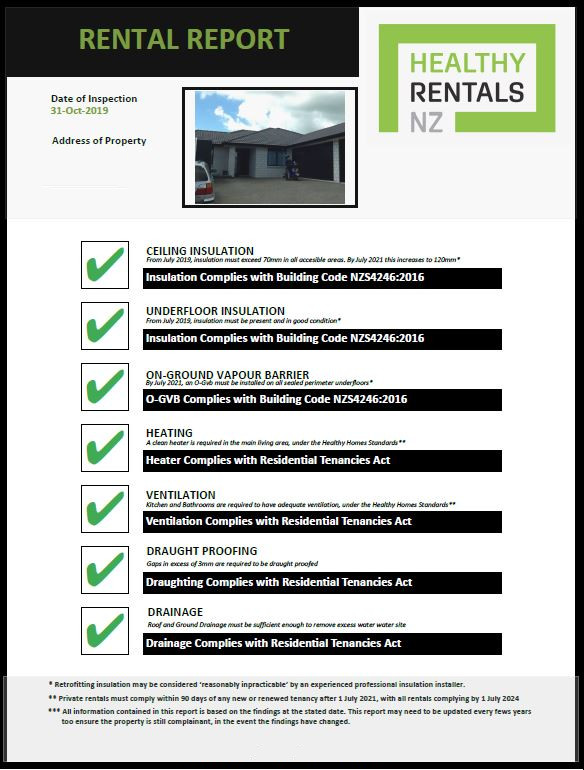
Before examining specific electrical requirements, understanding the broader Healthy Homes legislative framework provides essential context for Kapiti Coast landlords navigating compliance obligations.
Legislative Background
The Residential Tenancies (Healthy Homes Standards) Regulations 2019 commenced on 1 July 2019, introducing minimum standards addressing cold, damp, drainage, and draught issues prevalent in New Zealand rental housing. Research consistently demonstrated rental properties lagged owner-occupied homes in quality, with significant proportions falling below World Health Organization’s recommended minimum 18°C indoor temperature. Close to 600,000 New Zealand households rent their homes—a substantial population the legislation aims to protect through improved housing standards.
Compliance Timeline and Deadlines
From 1 July 2021, private landlords starting or renewing tenancies required properties to meet Healthy Homes Standards within 90 days of tenancy commencement. Kāinga Ora and registered Community Housing Providers received extended deadlines reflecting larger portfolio management challenges. However, the critical date for all Kapiti Coast landlords is 1 July 2025—every private rental property must comply by this deadline regardless of tenancy status or renewal timing.
This absolute deadline eliminates previous exemptions based on tenancy timing. Properties with long-term tenants unchanged since before legislation introduction must still achieve full compliance by 1 July 2025. For landlords managing multiple properties across Paraparauma, Waikanae, and surrounding areas, this creates significant scheduling pressure ensuring professional electrical work completes before the deadline.
Five Compliance Areas
Healthy Homes Standards establish requirements across five distinct areas:
Heating: Fixed heating devices in main living areas capable of maintaining 18°C minimum temperature
Insulation: Ceiling and underfloor insulation meeting current Building Code standards where installation proves reasonably practicable
Ventilation: Openable windows in living, dining, kitchen, and bedroom areas; extraction fans in kitchens and bathrooms
Moisture Ingress and Drainage: Effective drainage systems, maintained guttering, and ground moisture barriers where required
Draught Stopping: Blocking unreasonable gaps causing noticeable draughts in walls, ceilings, windows, floors, and doors
Three of these five areas—heating, ventilation, and broader electrical safety—require professional electrical services for compliant installation, making licensed electricians essential partners for landlords achieving compliance.
Enforcement and Penalties
Landlords failing to meet Healthy Homes Standards breach the Residential Tenancies Act 1986, exposing themselves to Tenancy Tribunal proceedings and financial penalties. Exemplary damages up to $7,200 per breach create substantial financial risk for non-compliant properties. Additionally, landlords not providing required compliance statements in tenancy agreements face penalties up to $500 per tenancy.
Beyond immediate financial penalties, non-compliant properties face practical consequences—difficulty attracting quality tenants, potential insurance complications, reduced property values, and reputational damage within local property management communities. For Kapiti Coast landlords where word travels quickly through tight-knit communities, maintaining compliance protects both legal obligations and business relationships.
Requirement 1: Fixed Heating Device Installation
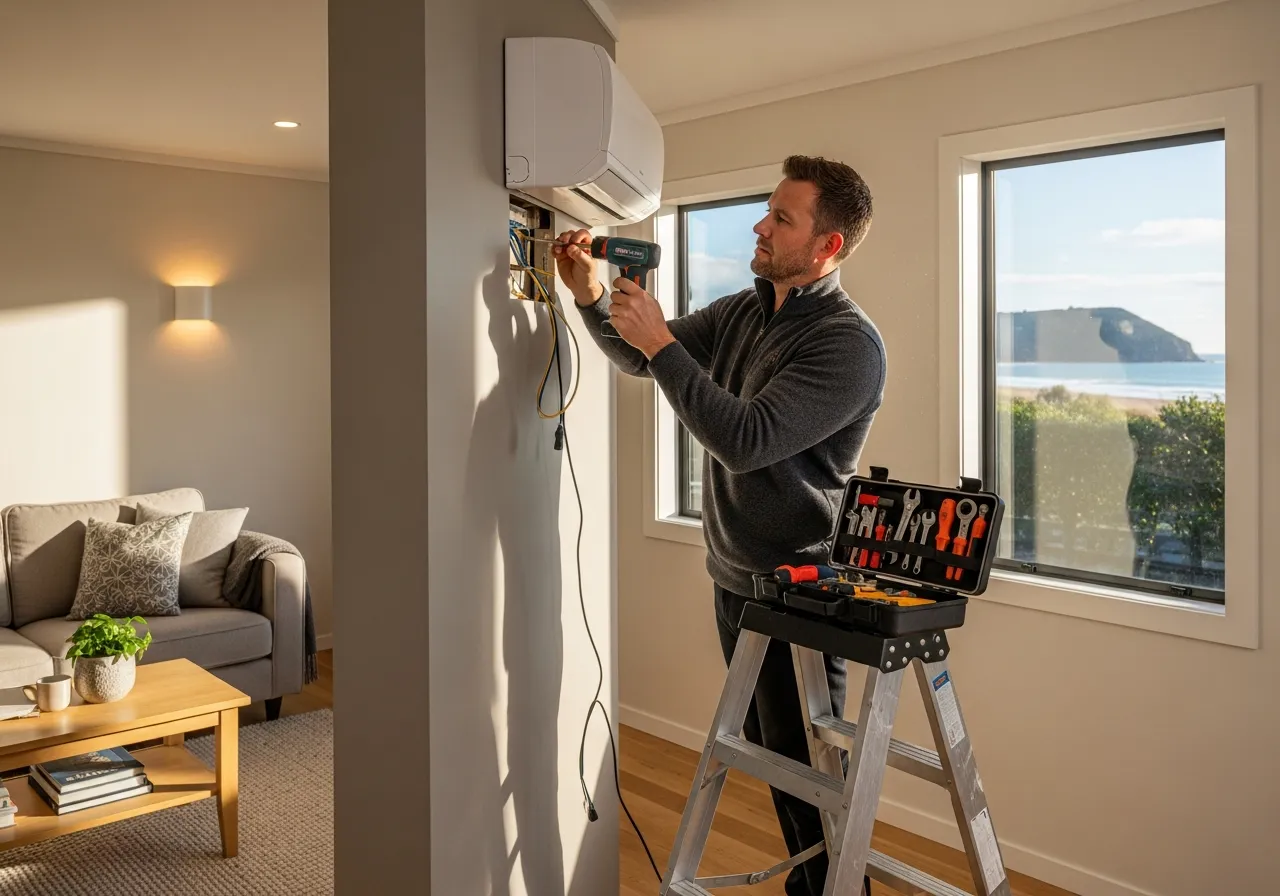
The most significant electrical compliance requirement involves installing fixed heating devices in main living areas, typically necessitating professional heat pump installation for most Kapiti Coast rental properties.
Heating Capacity Requirements
Healthy Homes Standards specify minimum heating capacity based on room size, ensuring installed devices can realistically maintain 18°C temperatures. For typical Kapiti rental properties, main living areas require heating capacity of 1.5 kilowatts minimum for small rooms (under 12m²), with larger spaces requiring proportionally greater capacity calculated using specific formulae outlined in Tenancy Services guidance.
Professional electricians assess room dimensions, ceiling heights, insulation quality, and window areas, determining appropriate heating capacity requirements specific to your property. Underspecified heating fails compliance whilst creating tenant complaints about inadequate warmth. Conversely, oversized installations waste money without additional compliance benefit.
Acceptable Heating Options
Healthy Homes Standards accept various fixed heating device types:
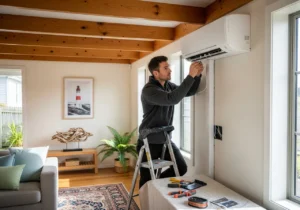
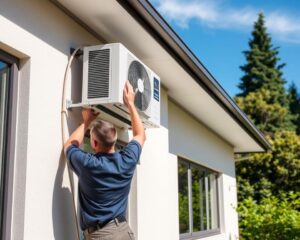
Heat Pumps: Most common solution for Kapiti rentals, providing efficient heating and cooling whilst meeting capacity requirements. Modern heat pumps with thermostatic control satisfy Healthy Homes heating standards for most properties. Professional installation ensures correct sizing, appropriate placement, and compliant electrical supply.
Wood Burners: Traditional heating option requiring proper installation, ventilation, and compliance with Building Code requirements. Whilst acceptable for Healthy Homes compliance, wood burners require ongoing fuel supply and maintenance, potentially creating tenant management issues.
Flued Gas Heaters: Gas heating options requiring professional gasfitting services alongside electrical work for any associated components. These systems must be properly vented to exterior spaces, meeting both Healthy Homes and gas safety requirements.
Fixed Electric Heaters: For small rooms, permanently installed electric heaters with thermostatic control may prove acceptable. However, running costs make electric heating less attractive than heat pump alternatives for most applications.
Importantly, unflued gas heaters and portable heaters explicitly fail to meet Healthy Homes Standards regardless of capacity. Only fixed, permanently installed devices satisfy legislative requirements.
Installation Requirements
Professional installation proves essential for heating compliance, ensuring devices meet electrical safety standards, receive appropriate electrical supply, and operate correctly under New Zealand conditions. Licensed electricians assess existing electrical infrastructure, determining whether switchboard upgrades or additional circuits prove necessary to support heating installations.
For heat pump installations specifically, professional work includes:
Assessing structural capacity for indoor and outdoor unit mounting
Installing appropriate electrical circuits with correct protection
Ensuring compliance with AS/NZS 3000 electrical installation standards
Coordinating with HVAC specialists for refrigerant work
Providing necessary electrical certification documenting compliant installation
Testing systems ensuring reliable operation meeting capacity requirements
Attempting DIY installation or using unqualified contractors creates liability issues whilst potentially installing non-compliant systems requiring expensive remediation. For Kapiti Coast landlords, professional installation through licensed Master Electricians provides documented compliance protecting against Tenancy Tribunal challenges.
Existing Heating Assessment
Some Kapiti rental properties already feature installed heating that may satisfy Healthy Homes requirements. However, landlords cannot simply assume existing systems comply—professional assessment verifies whether installed capacity meets current standards for specific room dimensions. Older heat pumps potentially lack thermostatic control required under current regulations, necessitating replacement despite being functional heating devices.
Professional electricians assess existing installations, measuring heating capacity, verifying thermostatic control, checking electrical safety compliance, and determining whether current systems satisfy Healthy Homes Standards. This assessment service proves invaluable for landlords managing multiple properties where some may require upgrades whilst others already comply.
Requirement 2: Extraction Ventilation Systems
Extraction ventilation represents the second major electrical compliance requirement, mandating professionally installed fans in kitchens and bathrooms venting directly to exterior spaces.
Ventilation Standard Requirements
Healthy Homes Standards require extraction fans in:
Kitchens with cooktops (regardless of whether cooking uses electricity, gas, or other fuel sources)
Rooms containing baths or showers
These extraction fans must vent directly to exterior spaces—recirculating fans or systems venting into ceiling cavities fail compliance requirements. For multi-level properties or those with complex layouts, achieving compliant ventilation may require ducting through roof spaces, ensuring proper termination points preventing moisture accumulation within building structures.
Fan Capacity and Performance
Whilst Healthy Homes Standards don’t specify exact extraction capacities, fans must provide effective moisture removal preventing mould growth and condensation issues. Professional electricians recommend appropriate fan capacities based on room volume, usage patterns, and existing ventilation infrastructure. Undersized fans fail to adequately remove moisture whilst oversized installations waste energy and create unnecessary noise disruption.
Modern extraction fans incorporate multiple speed settings, humidity sensors, and timer functions optimising performance whilst minimising energy consumption. These features, whilst not mandatory for compliance, enhance tenant satisfaction and reduce ongoing operational costs.
Installation Complexity
Extraction fan installation varies substantially in complexity depending on property configuration. Single-storey homes with accessible ceiling spaces permit relatively straightforward installation, whilst multi-storey buildings, properties with cathedral ceilings, or those requiring extensive ducting present greater challenges.
Professional electricians assess installation requirements, identifying optimal fan placement, determining ducting paths to exterior vents, ensuring adequate electrical supply, and coordinating any structural work required for vent penetrations. For Kapiti Coast properties where wind and weather exposure influence external vent placement, professional experience ensures installations resist coastal conditions whilst maintaining effective operation.
Licensed electrical work includes:
Installing appropriate electrical circuits for fan operation
Mounting fans in optimal positions for effective extraction
Installing ducting to exterior vents with correct fall preventing condensation accumulation
Fitting appropriate external vents preventing weather ingress
Wiring controls including switches, timers, or humidity sensors
Testing installation ensuring reliable operation
Providing electrical certification documenting compliant installation
Maintenance Considerations
Healthy Homes Standards require landlords to maintain compliance over time—extraction fans must remain functional throughout tenancies. Professional installation using quality components reduces maintenance requirements whilst providing reliable long-term performance. However, landlords should establish inspection schedules ensuring fans continue operating effectively, with professional servicing addressing any deterioration before systems fail.
For Kapiti Coast properties where salt air accelerates corrosion, selecting appropriate fan specifications and external vent materials proves essential for maintaining compliance without frequent replacements.
Requirement 3: Smoke Alarm Compliance
Whilst not exclusively a Healthy Homes Standard requirement, smoke alarm compliance forms part of comprehensive rental property electrical safety landlords must maintain under broader Residential Tenancies Act obligations.
Current Smoke Alarm Requirements
All New Zealand rental properties require working smoke alarms installed in accordance with regulations. Specific requirements include:
Smoke alarms in sleeping areas or immediately outside
Alarms on all levels of multi-storey properties
Long-life photoelectric smoke alarms meeting New Zealand standards
Professional installation ensuring correct placement and operation
Regular testing confirming ongoing functionality
For properties built or substantially renovated after specific dates, interconnected smoke alarms prove mandatory—when one alarm detects smoke, all alarms throughout the property activate, ensuring occupants receive warnings regardless of fire location.
Professional Installation Benefits
Whilst some smoke alarm work permits homeowner installation, professional electrician services ensure compliant installation meeting all regulatory requirements. Licensed electricians determine optimal alarm placement based on property layout, install interconnected systems where required, ensure correct electrical supply for hardwired installations, provide necessary certification, and test systems confirming reliable operation.
For Kapiti landlords managing multiple properties, professional installation creates documented compliance evidence protecting against liability issues following fire incidents.
Integration with Healthy Homes Compliance
When undertaking heating and ventilation installations for Healthy Homes compliance, addressing smoke alarm requirements simultaneously proves efficient. Professional electricians assess entire electrical safety compliance during single property visits, identifying all outstanding requirements across different regulatory frameworks. This comprehensive approach reduces costs whilst ensuring properties meet multiple compliance obligations through coordinated professional services.
Requirement 4: Comprehensive Electrical Safety Inspections
Beyond specific Healthy Homes equipment installations, comprehensive electrical safety inspections identify broader compliance issues affecting rental properties throughout the Kapiti Coast.
Importance of Professional Inspections
Many Kapiti rental properties date from periods predating current electrical safety standards. Older wiring, outdated switchboards, insufficient earthing, and obsolete protection devices create safety risks whilst potentially preventing Healthy Homes compliance through inadequate electrical capacity for modern heating and ventilation requirements.
Professional electrical inspections assess:
Overall electrical installation safety and code compliance
Switchboard condition and protection device adequacy
Wiring condition throughout property
Earthing system integrity
Electrical capacity for proposed Healthy Homes installations
Any electrical hazards requiring immediate attention
This thorough assessment identifies issues before they create compliance obstacles, allowing landlords to plan comprehensive upgrades addressing multiple requirements through coordinated professional services.
Common Issues in Kapiti Rental Properties
Coastal environment exposure creates specific challenges for Kapiti rental electrical systems:
Corrosion: Salt air accelerates corrosion on switchboards, outdoor fixtures, and any exposed electrical components. Professional inspections identify deterioration requiring attention before failures occur.
Outdated Wiring: Properties with original wiring from 1960s-1980s frequently require upgrading, particularly when installing modern heating loads. Old wiring may lack capacity for heat pump operation whilst presenting fire risks through deteriorated insulation.
Inadequate Earthing: Properties built before current earthing standards may feature substandard protection systems requiring upgrades ensuring occupant safety and compliance with electrical regulations.
Weather Damage: Kapiti’s wind and rain create additional stress on electrical installations, particularly outdoor components. Regular professional inspections identify weather-related deterioration before systems fail.
Certification and Documentation
Professional electrical inspections provide formal certification documenting property electrical safety and compliance status. This certification proves essential for:
Demonstrating Healthy Homes compliance to tenants and Tenancy Tribunal
Satisfying insurance requirements for rental properties
Protecting landlords from liability following electrical incidents
Supporting property sale processes when divesting rental investments
Providing evidence of reasonable maintenance should disputes arise
Licensed electricians issue Electrical Safety Certificates and Records of Inspection Work following comprehensive assessments, creating permanent documentation protecting landlord interests.
Compliance Statements and Tenancy Documentation
Meeting physical compliance standards represents only part of landlord obligations—proper documentation proves equally essential for avoiding penalties and protecting legal positions.
Compliance Statement Requirements
From specified dates, tenancy agreements must include detailed compliance statements outlining how properties meet each Healthy Homes Standard. These statements require specific information:
Heating: Description of installed heating device(s), location, type, and heating capacity
Insulation: R-values for ceiling and underfloor insulation, climate zone, installation dates
Ventilation: Details of extraction fans, locations, openable window areas
Drainage: Description of drainage systems and moisture barriers
Draught Stopping: Confirmation of draught blocking work completed
Tenancy Services provides template compliance statements landlords can complete, ensuring all required information appears in correct formats. However, landlords choosing alternative documentation formats must include identical information avoiding compliance statement penalties.
Record Keeping Obligations
Beyond tenancy agreement statements, landlords must maintain comprehensive records documenting Healthy Homes compliance:
Invoices and receipts for heating installations
Electrical certification for ventilation fan installations
Insulation installation documentation
Inspection reports verifying compliance
Any professional assessments undertaken
These records must be available for Tenancy Tribunal review if disputes arise, providing evidence landlords have met obligations. For Kapiti landlords managing multiple properties, systematic record keeping proves essential preventing confusion about which properties hold what documentation.
Professional electricians provide detailed documentation following installation work, including electrical certificates, compliance statements, installation specifications, and manufacturer information. Retaining this documentation protects landlord interests whilst supporting compliance statement accuracy.
Ongoing Compliance Obligations
Healthy Homes compliance isn’t one-time achievement—landlords must maintain standards over time. Regular inspections ensure heating devices continue functioning correctly, extraction fans operate effectively, electrical systems remain safe, and all required equipment maintains compliance standards.
For professional landlords managing rental portfolios across Paraparaumu and Waikanae, establishing maintenance schedules with licensed electricians ensures proactive compliance management rather than reactive responses to failures.
Why Choose Whittaker Electrical for Rental Property Compliance
Whittaker Electrical provides comprehensive Healthy Homes compliance services specifically tailored for Kapiti Coast landlords and property managers requiring professional electrical work meeting legislative standards.
Complete Compliance Solutions
Our licensed Master Electricians handle all electrical aspects of Healthy Homes compliance through single-provider service:
Heat pump electrical installation supporting heating standard compliance
Extraction fan installation for kitchen and bathroom ventilation requirements
Smoke alarm installation and testing ensuring safety compliance
Comprehensive electrical safety inspections identifying broader compliance issues
Switchboard upgrades where necessary supporting modern appliance loads
Full certification and documentation for compliance statements
This comprehensive service eliminates coordinating multiple contractors, streamlines scheduling, and ensures consistent quality across all electrical compliance work.
Landlord-Focused Service Approach
We understand rental property management challenges facing Kapiti Coast landlords. Our service approach prioritises:
Efficient Scheduling: Coordinating work around tenant occupancy, minimising disruption whilst meeting compliance deadlines
Transparent Pricing: Detailed quotes before work commences, avoiding unexpected costs affecting rental investment returns
Quality Installation: Professional workmanship ensuring compliant installations operate reliably long-term, reducing maintenance callouts
Complete Documentation: Comprehensive certification and records supporting compliance statements and protecting landlord interests
Multi-Property Efficiency: Coordinated scheduling for landlords managing multiple rentals, maximising efficiency and potentially accessing volume pricing
Local Kapiti Coast Knowledge
Operating throughout Paraparaumu, Waikanae, and surrounding areas since establishing our business, Whittaker Electrical understands local property characteristics, typical rental stock configurations, and environmental factors affecting electrical installations. This knowledge ensures recommendations suit Kapiti conditions whilst addressing region-specific compliance challenges.
We’re familiar with common rental property types across the coast—from older weatherboard homes requiring comprehensive upgrades to modern properties potentially needing only minor additions achieving full compliance. This experience allows accurate assessment and appropriate specification avoiding both under-specification failing compliance and over-specification wasting landlord budgets.
Professional Standards and Certification
All work meets New Zealand electrical standards, with licensed Master Electrician oversight ensuring installations comply with AS/NZS 3000 requirements alongside Healthy Homes Standards. Our professional qualifications, insurance coverage, and industry memberships protect landlords whilst guaranteeing quality workmanship.
Ongoing Support
Following initial compliance work, Whittaker Electrical remains available for ongoing maintenance, tenant callouts, and any additional work required maintaining compliance over time. We understand rental property management never truly finishes—having established relationships with professional electricians familiar with your properties proves invaluable when issues arise.
Act Now: July 2025 Deadline Has Passed
The 1 July 2025 compliance deadline has passed. For Kapiti Coast landlords yet to complete Healthy Homes electrical work, scheduling professional services now proves essential avoiding last-minute rush and ensuring properties meet legislative requirements before enforcement intensifies.
Penalties reaching $7,200 per breach create substantial financial risk for non-compliant rentals. Beyond immediate fines, properties failing standards struggle attracting quality tenants whilst exposing landlords to ongoing Tenancy Tribunal liability. The modest investment in professional electrical compliance work protects far greater rental income and property values.
Whether managing single rental properties or substantial portfolios across Paraparaumu and Waikanae, Whittaker Electrical provides professional assessment, quality installation, and complete documentation ensuring Healthy Homes compliance. Our experienced team understands urgency facing landlords approaching deadlines, working efficiently without compromising installation quality or safety standards.
Don’t risk penalties, tenant disputes, or enforcement action. Professional electrical compliance through licensed Master Electricians protects your rental investment whilst meeting legal obligations and providing tenants with warm, dry, healthy homes.
Contact Whittaker Electrical today to schedule your rental property compliance assessment. Our team will evaluate current compliance status, identify required work, and provide transparent pricing for professional installations ensuring your Kapiti Coast rentals meet Healthy Homes Standards before the July 2025 deadline.
Call Euan at Whittaker Electrical on 021 975 911 or email hello@whittakerelectrical.co.nz to book your Healthy Homes electrical compliance consultation. Protect your investment, avoid penalties, and ensure full legislative compliance through professional electrical services tailored for Kapiti Coast rental properties.
Frequently Asked Questions
What happens if my rental property doesn’t comply with Healthy Homes Standards by 1 July 2025?
Non-compliant rental properties breach the Residential Tenancies Act 1986, exposing landlords to Tenancy Tribunal proceedings and exemplary damages up to $7,200 per breach. Tenants can initiate Tribunal claims seeking rent reductions, compensation for non-compliance, or orders requiring immediate compliance work. Additionally, enforcement action from Tenancy Compliance and Investigations teams may result in prosecutions and additional penalties. Beyond legal consequences, non-compliant properties face practical difficulties attracting and retaining tenants increasingly aware of their rights regarding Healthy Homes Standards. Insurance complications may arise if policies require compliance with current legislation, whilst property sales become complicated requiring disclosure of non-compliance affecting valuations and purchaser negotiations. For Kapiti landlords managing rental investments, the financial and reputational risks of non-compliance far exceed professional electrical compliance costs. Acting now ensures properties meet standards before the deadline, avoiding enforcement whilst protecting rental income and property values.
Can I install heating and ventilation systems myself to save money?
New Zealand electrical regulations prohibit unlicensed electrical work beyond simple tasks like changing light bulbs. Installing heat pumps, extraction fans, or any work involving electrical wiring legally requires licensed electrician services under the Electricity Act. Attempting DIY electrical work creates serious risks including electrocution during installation, fire hazards from incorrect wiring, insurance policy voidance following DIY electrical work, prosecution under electrical safety legislation, and complete lack of compliance certification. For Healthy Homes compliance specifically, landlords must demonstrate professional installation meeting standards—DIY work fails this requirement regardless of whether it functions correctly. Additionally, tenant injuries or property damage resulting from improper electrical work creates substantial liability exposure. The modest savings from DIY attempts become insignificant compared to potential costs of accidents, enforcement action, or system failures requiring complete reinstallation. Professional installation through licensed Master Electricians provides certified compliance, protects liability, and ensures reliable long-term operation.
How much does Healthy Homes electrical compliance typically cost for a Kapiti Coast rental property?
Compliance costs vary substantially depending on property condition and required work. Properties needing only minor additions—perhaps a single extraction fan or smoke alarm updates—might incur costs of $500-$1,500. Properties requiring heat pump installation see costs typically ranging $3,000-$6,000 depending on system capacity and installation complexity. Properties needing comprehensive upgrades including heat pumps, multiple extraction fans, switchboard replacement, and extensive electrical safety remediation may cost $8,000-$15,000 or more. However, these investments protect far greater rental income and property values. A property generating $600 weekly rental income produces $31,200 annually—non-compliance penalties of $7,200 represent nearly 25% of annual rental revenue, making professional compliance work financially prudent regardless of initial costs. Additionally, compliant properties command better rental rates, attract quality long-term tenants, and reduce maintenance calls from electrical issues. Whittaker Electrical provides detailed quotes following property assessment, allowing landlords to budget appropriately whilst understanding exact requirements for specific properties. For multi-property landlords, volume scheduling may provide cost efficiencies across portfolio compliance work.
What documentation do I need to keep proving Healthy Homes compliance?
Landlords must retain comprehensive documentation demonstrating compliance with all five Healthy Homes Standards. For electrical work specifically, essential documentation includes electrical certificates from licensed electricians for heat pump installations, extraction fan installation certificates, smoke alarm installation and testing records, electrical safety inspection reports, and equipment specifications proving heating capacity requirements. Additionally, maintain invoices and receipts for all work, manufacturer information for installed equipment, compliance statement copies provided to tenants, and any professional assessment reports undertaken. These records must be available for Tenancy Tribunal review if compliance disputes arise, with failure to produce documentation potentially resulting in landlord losing cases despite having undertaken actual work. Professional electricians provide comprehensive documentation following installations—retain these permanently in property files. For landlords managing multiple rentals, systematic filing proves essential preventing confusion about which properties hold what documentation. Digital scanning creates backup copies protecting against document loss whilst enabling quick retrieval during tenant discussions or Tribunal proceedings. Whittaker Electrical provides complete certification and documentation following all compliance work, supporting landlord record-keeping obligations whilst ensuring evidence of professional installation remains accessible when needed.
Can existing heating systems satisfy Healthy Homes Standards or must I install new equipment?
Some existing heating installations satisfy Healthy Homes Standards if they meet current capacity requirements and feature necessary controls. However, landlords cannot simply assume existing systems comply—professional assessment verifies whether installed equipment meets standards for specific room dimensions and configurations. Older heat pumps lacking thermostatic control fail Healthy Homes requirements despite providing adequate heating, necessitating replacement or control upgrades. Wood burners and other solid fuel heating meeting capacity requirements potentially satisfy standards if properly installed and maintained. Existing fixed electric heaters in small rooms might comply if capacity proves adequate and thermostatic control exists. Professional electricians measure room dimensions, calculate required heating capacity, assess existing equipment specifications, verify control mechanisms, and determine compliance status during property inspections. This assessment service proves invaluable for Kapiti landlords managing multiple properties potentially showing mixed compliance status. For properties with compliant existing heating, professional certification documents this compliance supporting tenancy statements. For properties requiring upgrades, assessment identifies specific requirements allowing accurate costing and planning. Acting now ensures sufficient time for professional assessment and any necessary installation before July 2025 deadline.
Source Links
Ministry of Housing and Urban Development – Healthy Homes Standards – https://www.hud.govt.nz/
Tenancy Services – Healthy Homes Compliance Guide – https://www.tenancy.govt.nz/
Residential Tenancies Act 1986 – https://www.legislation.govt.nz/
Electrical Workers Registration Board – https://www.ewrb.govt.nz/
Standards New Zealand AS/NZS 3000 – https://www.standards.govt.nz/
Master Electricians New Zealand – https://www.masterelectricians.org.nz/
WorkSafe New Zealand Electrical Safety – https://www.worksafe.govt.nz/
Ministry of Business, Innovation and Employment – https://www.mbie.govt.nz/
Tenancy Tribunal – https://www.tenancy.govt.nz/disputes/
Building Performance Standards – https://www.building.govt.nz/
Whittaker Electrical Ltd provides professional Healthy Homes compliance electrical services throughout Paraparaumu and Kapiti Coast. Our licensed Master Electricians deliver expert heating installations, ventilation systems, and comprehensive electrical compliance solutions protecting rental property investments. Quality Electrical Work, Friendly Professional Service.